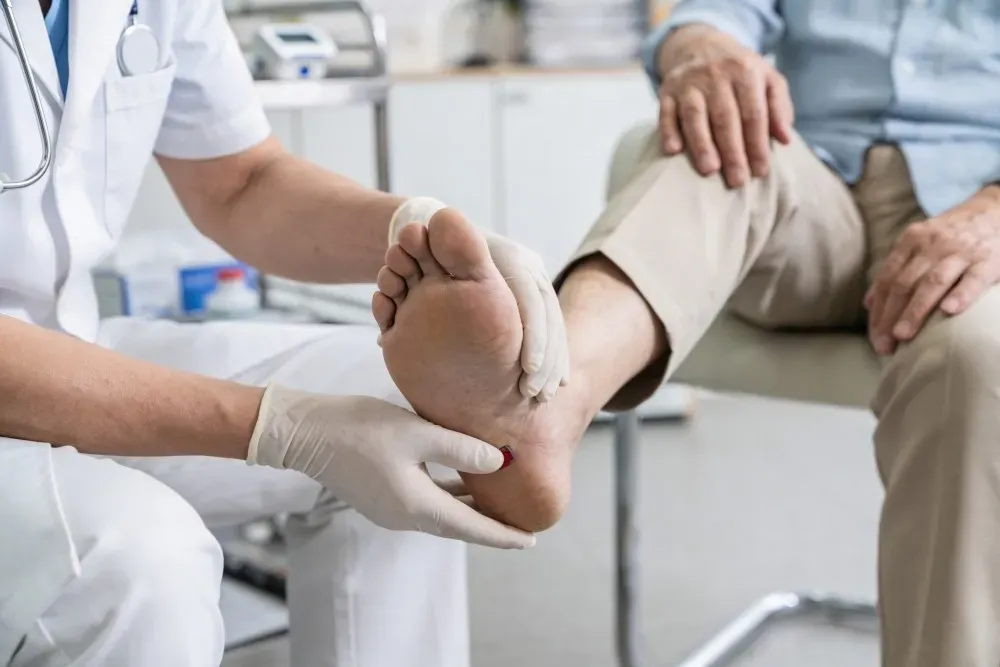
Here's What Every Diabetic Needs to Know About Foot Care
If you live with diabetes, you must be attentive to your health. Your feet deserve special focus. At Frankford Podiatry Associates, PC, Dr. Ketan Kothari and Dr. Samir Patel help patients in Philadelphia, Pennsylvania, manage their foot health. Our team provides specialized diabetic foot care to help you protect your feet from serious complications.
Whether you are dealing with heel pain or need specialized diabetic care, we focus on identifying the source of your discomfort.
Why is diabetic foot care personalized?
Many people believe that every diabetic must follow the same strict rules. In reality, your care plan should match your personal risk level. The American Diabetes Association uses a risk system, separating low-risk from high-risk patients.
If you are at low risk, you may only need an annual foot exam. If you have nerve damage, you require more advanced protection.
We emphasize a conservative, integrative approach to foot care. Our team uses advanced tools such as peripheral artery disease testing to check your circulation. We evaluate your feet to determine your specific risk tier and create a plan just for you.
How can you best care for your feet at home?
Excellent daily habits are your first line of defense against damage to your feet. The American Podiatric Medical Association recommends that all adults with diabetes inspect their feet every day. Search for tiny cuts, redness, or swelling.
If you cannot easily bend down, use an unbreakable mirror to see the bottoms of your feet. Thoroughly and carefully, wash and dry your feet daily.
You can apply moisturizer to dry skin, but never put lotion between your toes. Moisture trapped there can cause the skin to break down. Finally, never try to cut off corns or calluses yourself.
When do you need professional care and special shoes?
If you have lost feeling in your feet, seek professional support. The American Diabetes Association also notes that patients with nerve damage or poor circulation should have their feet checked at every medical visit.
You may also need specialized footwear to protect your feet. According to the Centers for Medicare & Medicaid Services, Medicare covers therapeutic footwear for individuals facing elevated health risks, such as poor circulation. Once you receive these shoes, you must wear them continuously, even inside your home.
Our team also provides expert treatment for diabetic foot ulcers. We focus on healing these wounds quickly to prevent infections.
Diligently caring for your feet reduces your risk of complications, but it is not a guarantee. Progressive issues like poor circulation still require regular medical monitoring. We are here to support you at our three convenient offices in Philadelphia, Pennsylvania. Please schedule a visit with our team today to keep your feet healthy.